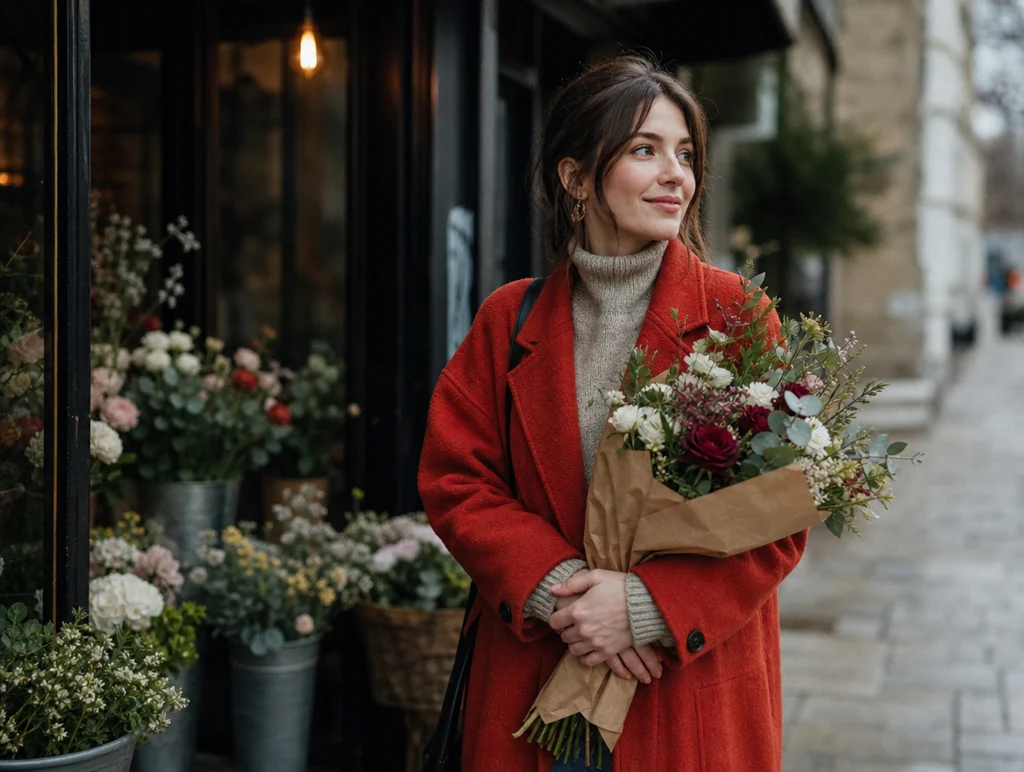
Photorealistic / Editorial
Natural detail, considered composition, and believable light give images a polished photographic feel.
Try it for Portraits, fashion, lifestyle, and campaign imagery.
From editorial realism to handmade worlds, explore image and video directions for your next idea. See the difference, borrow the language, and build a stronger generation prompt.
Describe your idea, then apply it to every style. Prompt Assist combines your scene with the visual language beneath each example.
One recurring subject—a woman with flowers beside a city flower shop—makes the different visual treatments easier to compare. Examples generated with GPT Image 2 through Higgsfield.
Natural detail, considered composition, and believable light give images a polished photographic feel.
Try it for Portraits, fashion, lifestyle, and campaign imagery.
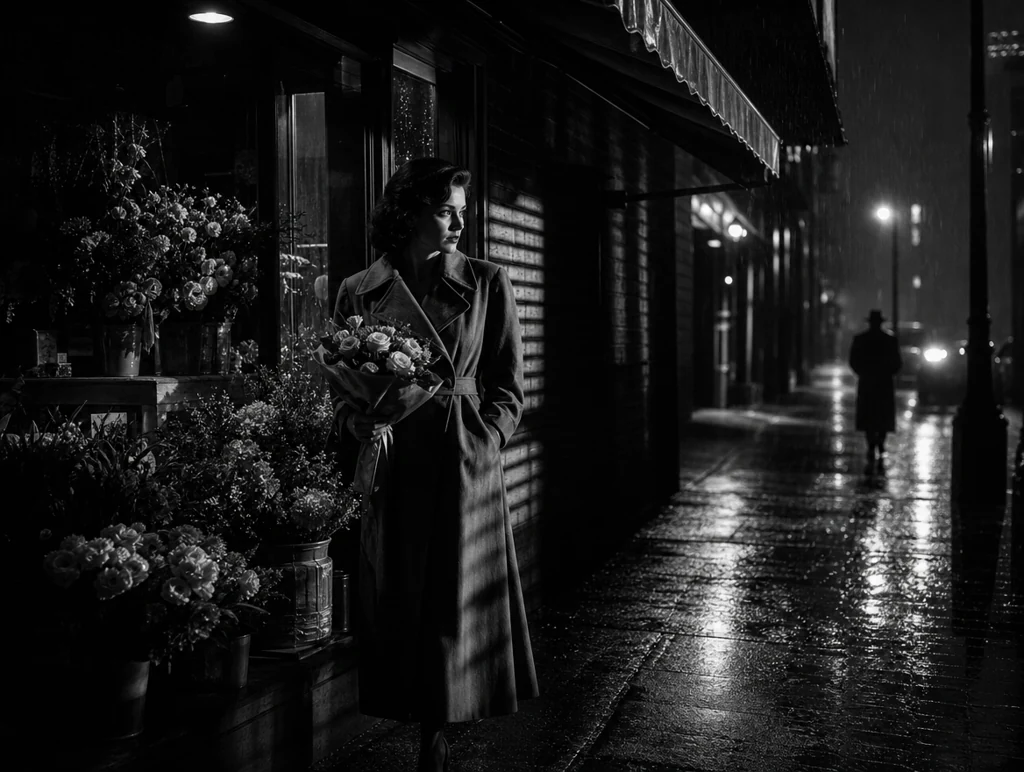
Hard light, deep shadows, and a monochrome palette create tension and cinematic drama.
Try it for Dramatic portraits, posters, and atmospheric storytelling.
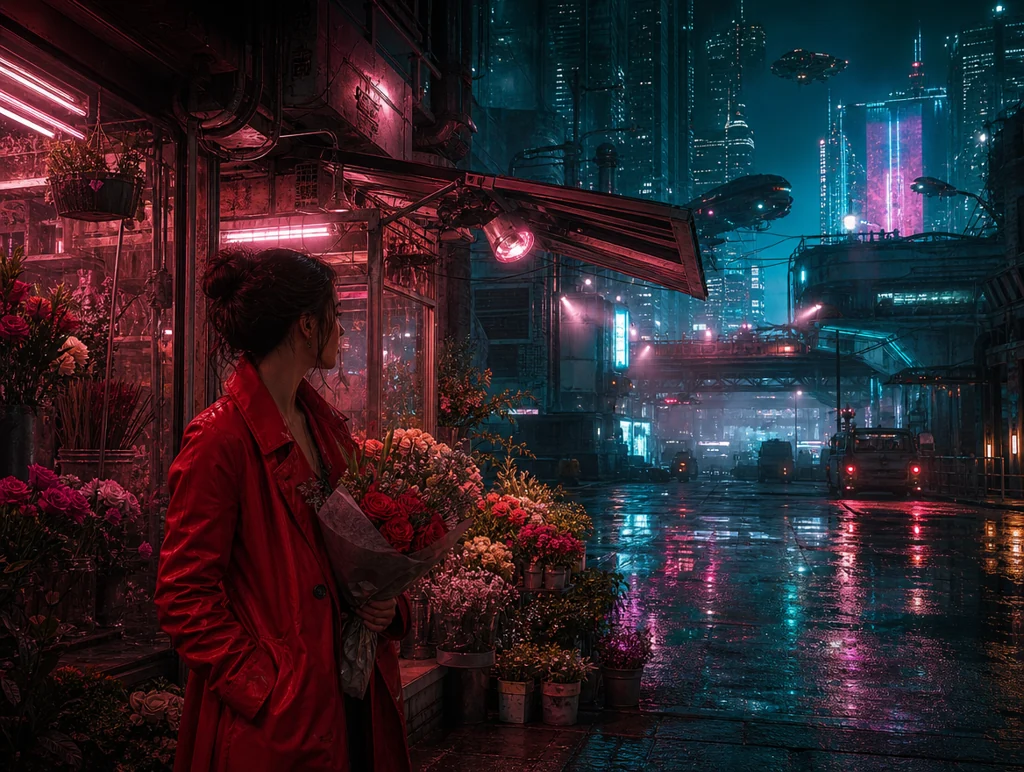
Dense futuristic environments meet neon light, wet surfaces, and a gritty technological edge.
Try it for Sci-fi worlds, music artwork, and futuristic campaigns.
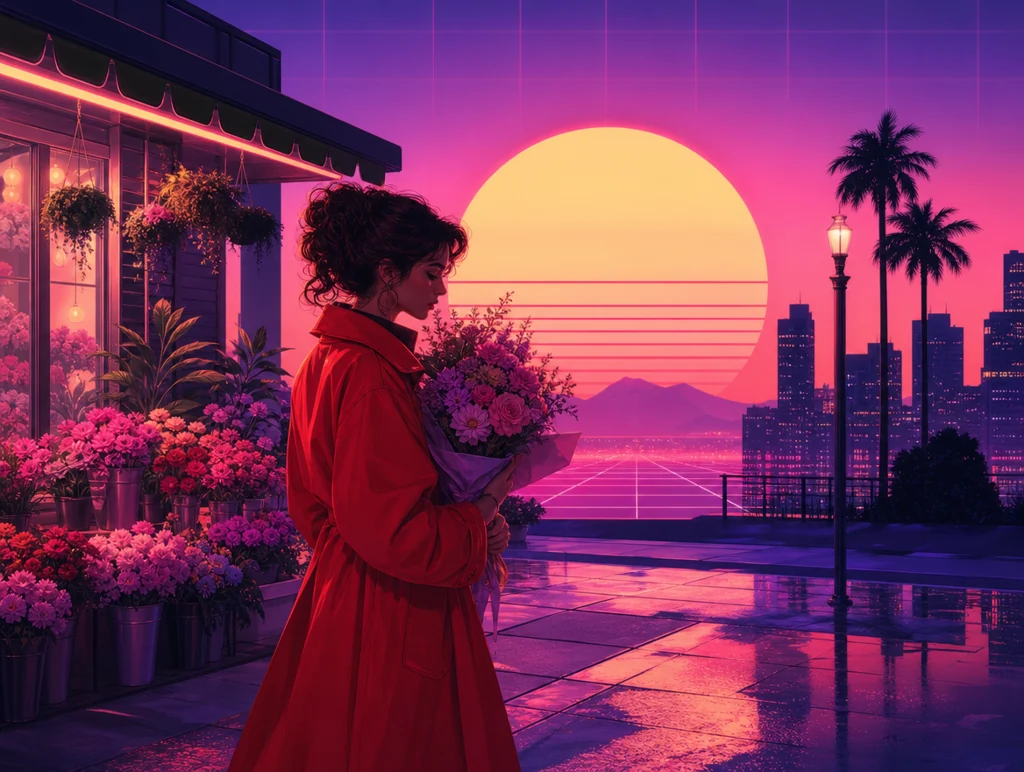
Retro-futuristic imagery uses electric gradients, graphic horizons, and an unmistakable 1980s mood.
Try it for Album covers, event graphics, and nostalgic digital art.
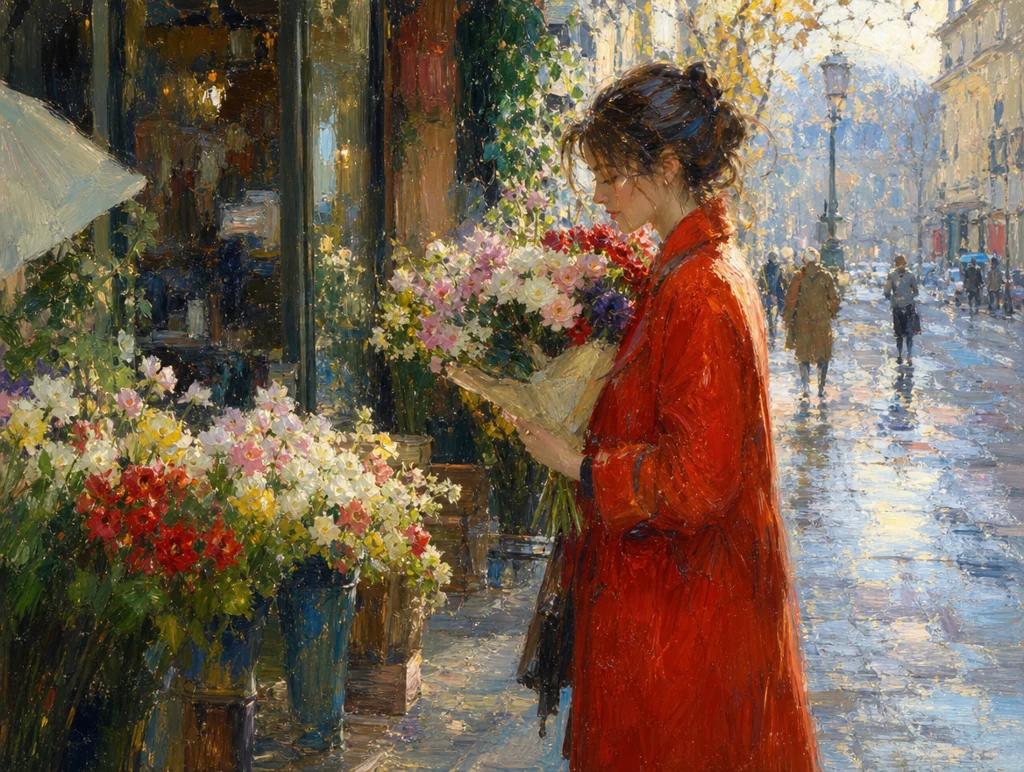
Visible brushstrokes and broken color suggest a fleeting moment of light rather than precise detail.
Try it for Landscapes, lifestyle scenes, and expressive portraits.
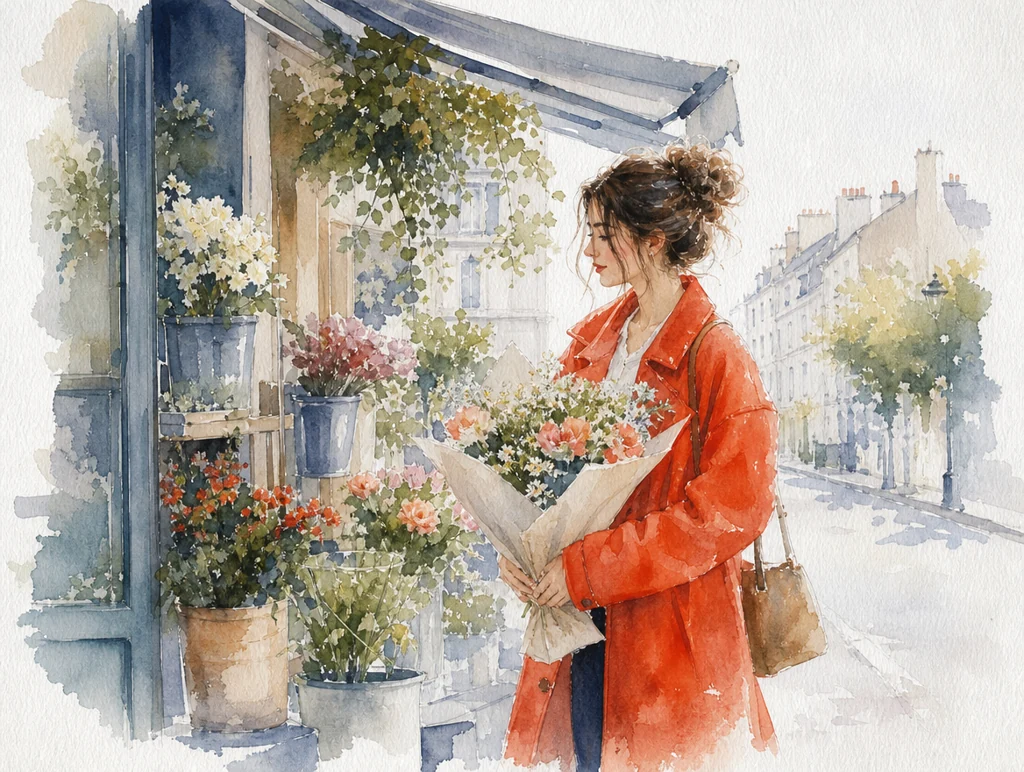
Transparent washes, softened edges, and paper showing through make an airy, delicate image.
Try it for Botanical art, invitations, travel scenes, and gentle illustration.
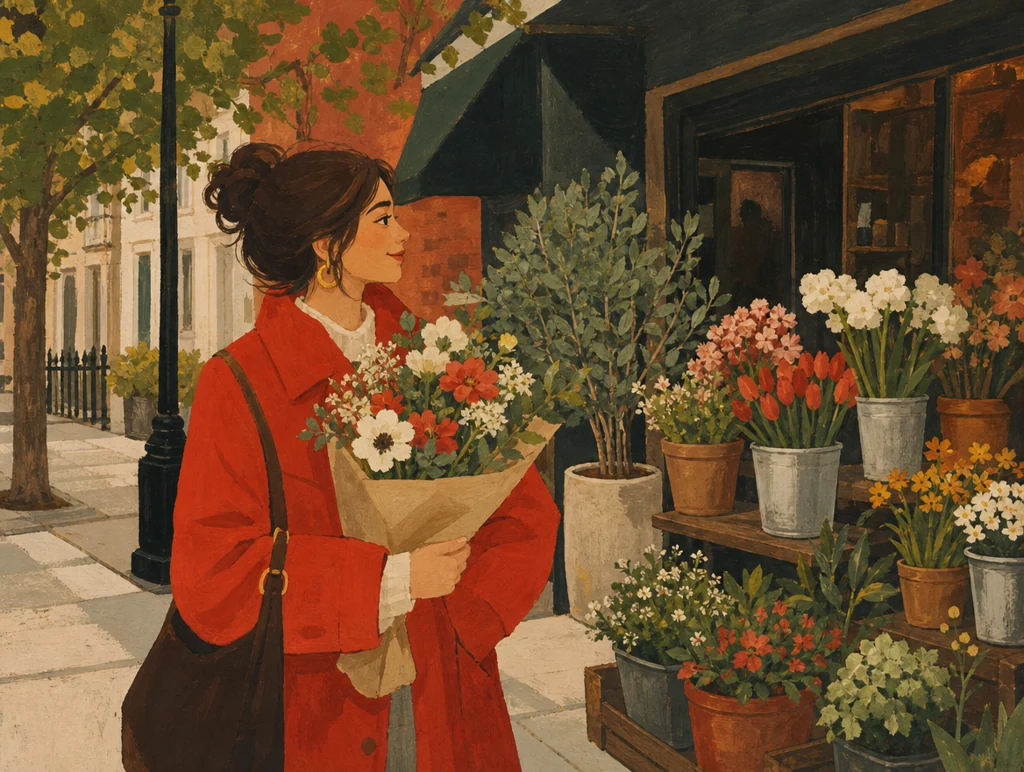
Opaque matte color and confidently shaped brushwork create a warm illustrated finish.
Try it for Storybook scenes, packaging concepts, and editorial illustration.
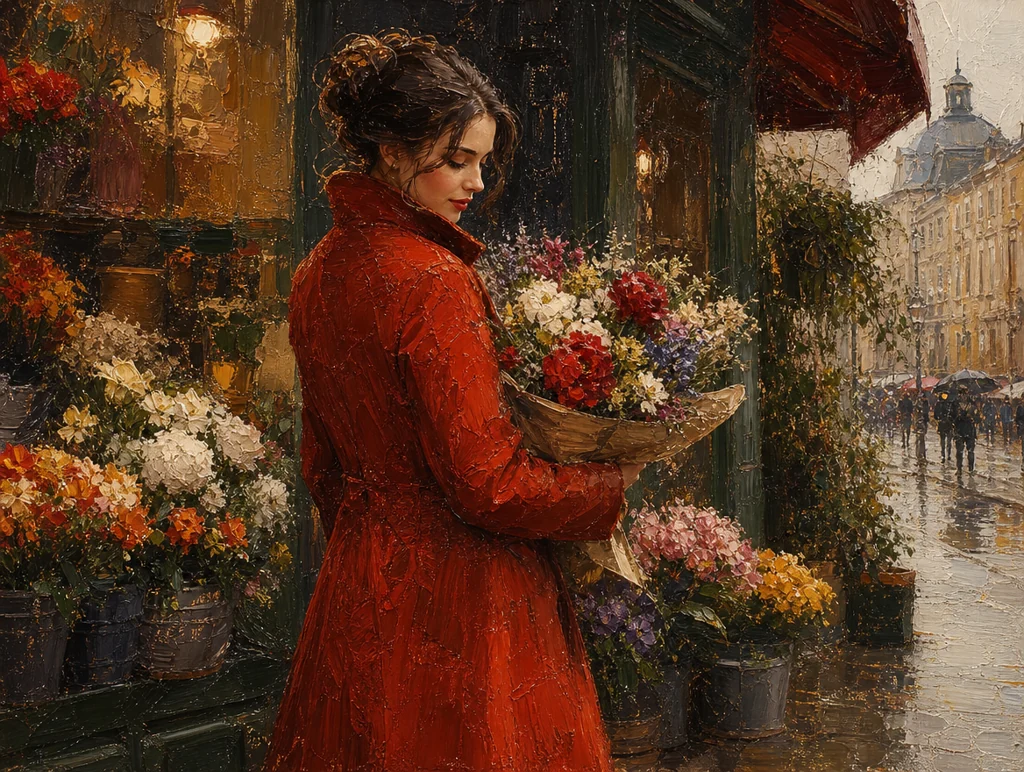
Rich pigment and layered brushwork can feel classical and smooth or thick and tactile.
Try it for Expressive portraits, still life, and fine-art concepts.
For a smoother classical finish, replace impasto with delicate glazed layers.
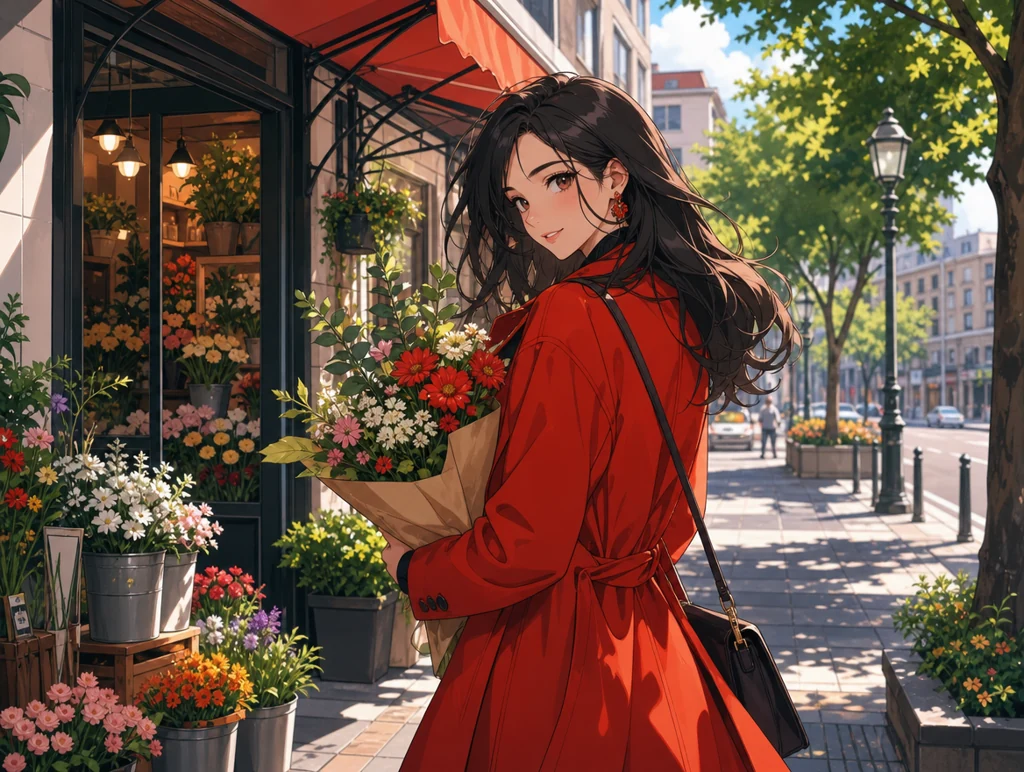
Expressive proportions, confident linework, and cel shading translate a scene into animation language.
Try it for Character concepts, illustrated stories, and expressive social art.
For monochrome manga, use black ink and screentone shading instead of color.
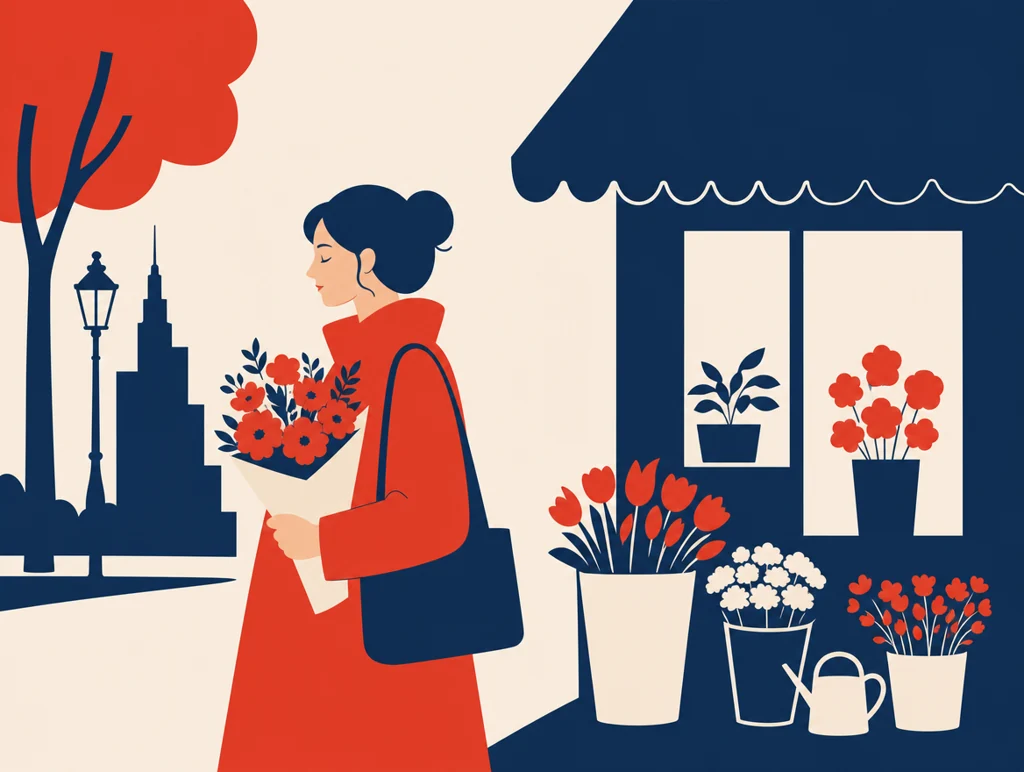
Simple geometry and limited colors put clarity and visual hierarchy first.
Try it for Explainers, graphic compositions, and clean editorial visuals.
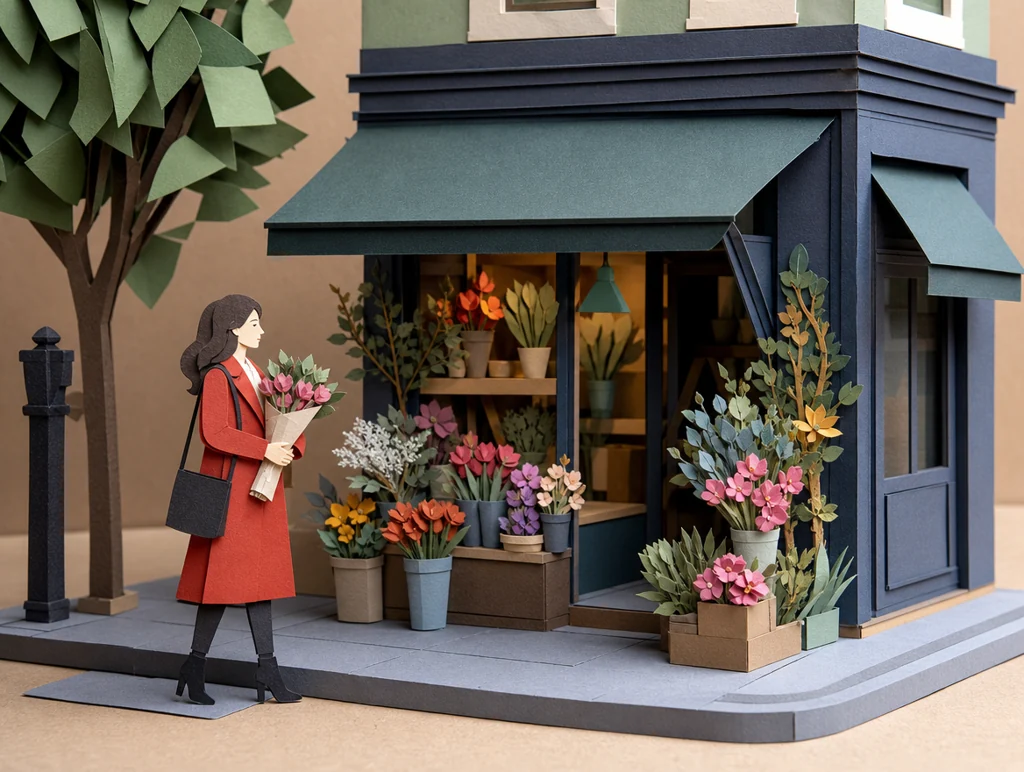
Cut edges, layered sheets, and folded forms give a scene a sculptural paper texture.
Try it for Playful campaigns, seasonal visuals, and handcrafted concepts.
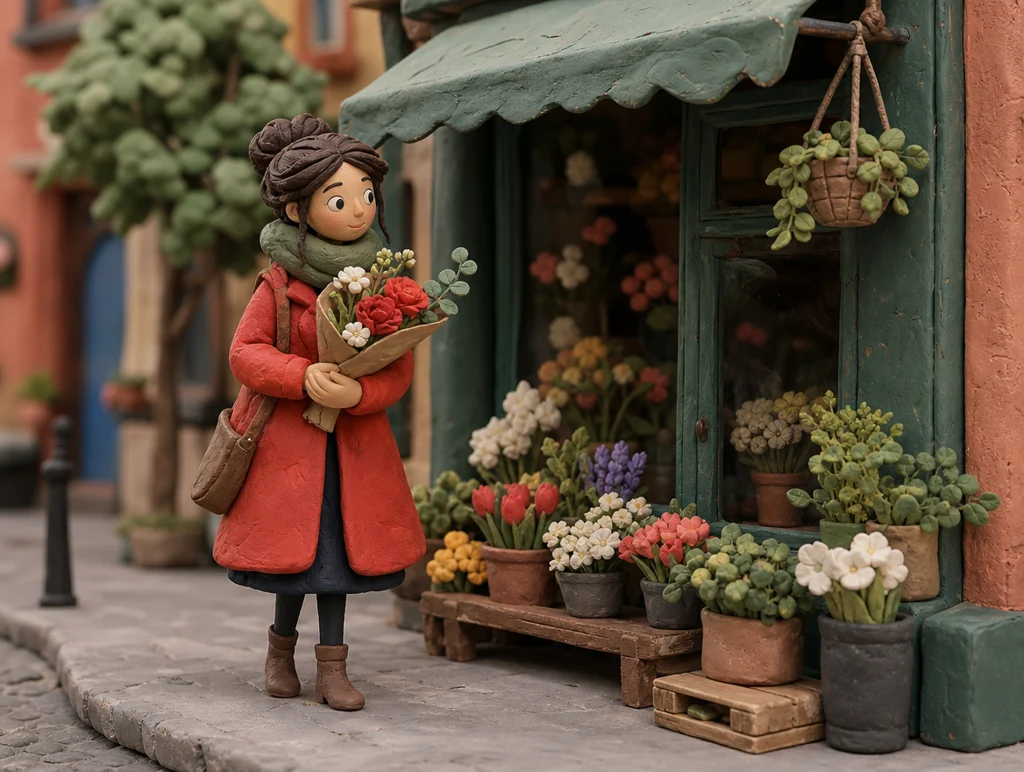
Rounded forms and tiny handmade imperfections suggest a stop-motion clay set.
Try it for Friendly characters, playful product scenes, and whimsical stories.
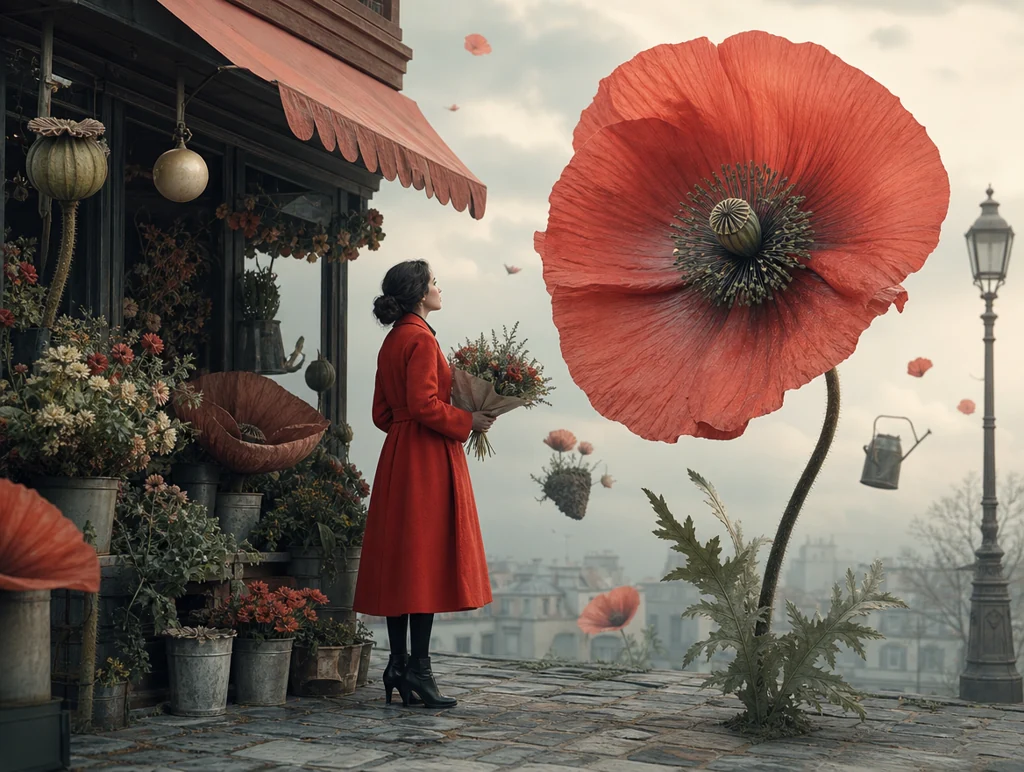
Convincing detail meets impossible scale and unexpected combinations to create a dreamlike idea.
Try it for Conceptual campaigns, cover art, and imaginative storytelling.
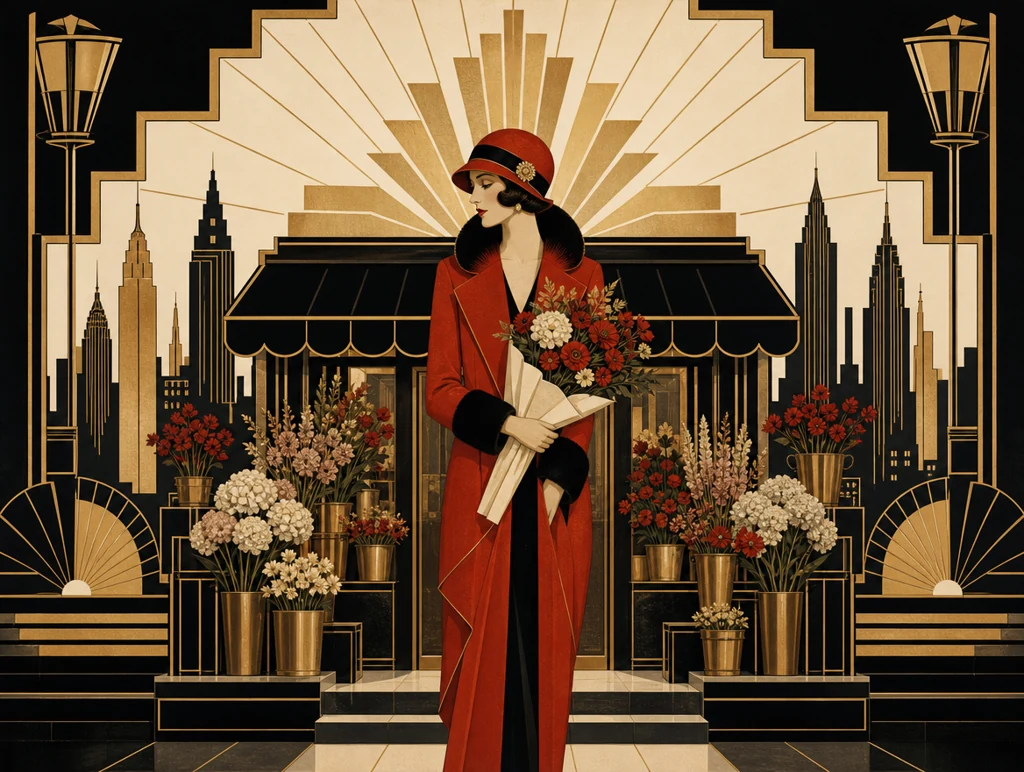
Symmetry, stepped forms, and elegant geometry create a bold decorative vintage look.
Try it for Luxury-inspired posters, event artwork, and ornamental graphics.
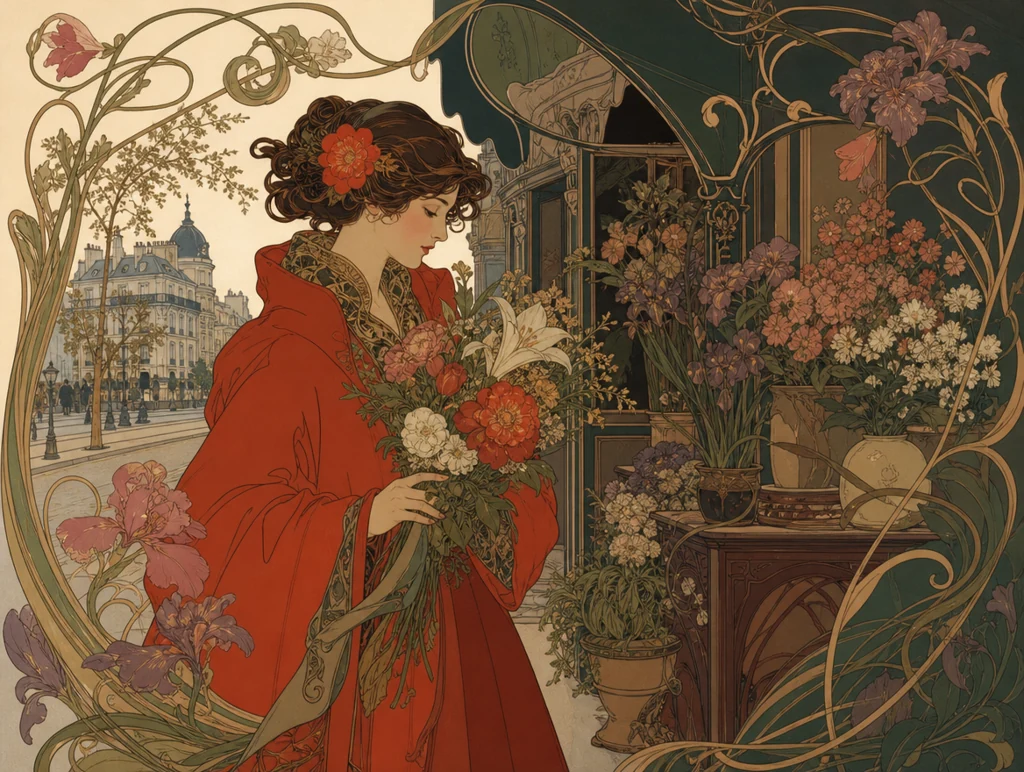
Flowing curves, botanical motifs, and ornamental framing bring an organic decorative rhythm.
Try it for Botanical posters, decorative portraits, and illustrated packaging concepts.


A little fine-tuning. A whole new perspective.
Tell AI what you want to change—enhance the lighting, reimagine the background, or add a new look.
Upload a photo, choose an action, and make it yours.
Requires AI Studio access and credits. Add your exported photo as a reference in the studio, then review the estimate before generating.
Choose a photo to preview a slow cinematic zoom.
Upload a video, select a moment, and save a shorter clip.
MP4, MOV, or WebM supported by your browser
Loading your image workspace…